
"Gulf News"
6100 article(s) found

Yemeni famous coffee beans Yemeni coffee dark red Majaha Marqaha single coffee beans recommended
For more information on coffee beans, please follow the coffee workshop (Wechat official account cafe_style). In fact, Yemen is located on the Arabian Peninsula of the Asian continent, but it is very close to Africa as long as it crosses the Red Sea and the Gulf of Aden Gulf of Aden. However, other Arab countries do not produce coffee, so people classify Yemeni coffee as North African coffee.

Introduction of Flavor and Taste Coffee beans in Coffee Variety producing area of Santa Barara Manor in Honduras
In the 4th and 7th century, western Honduras was one of the centers of Mayan civilization. Columbus arrived in the Gulf Islands of Honduras in 1502, which was the beginning of Honduras's contact with Europe. Spanish troops began to conquer Honduras in 1524 and became a Spanish colony in the same year. In 1537-1539, Limpilla led 30,000 Indians in an uprising against Spanish colonial rule. 1539, Honduras

Introduction of Yemeni Coffee producing area Haraaz description of taste and aroma of Yemeni coffee beans
For more information on coffee beans, please follow the coffee workshop (Wechat official account cafe_style). In fact, Yemen is located on the Arabian Peninsula of the Asian continent, but it is very close to Africa as long as it crosses the Red Sea and the Gulf of Aden Gulf of Aden. However, other Arab countries do not produce coffee, so people classify Yemeni coffee as North African coffee.

Cuba Crystal Mountain Coffee Variety Production Characteristics Fine Coffee Bean Flavor Taste Introduction
It covers an area of 109884 square kilometers,[3] of which Cuba Island is 104,555.61 square kilometers and the surrounding islands and reefs are 3,126.43 square kilometers. Cuba is located in the northwest Caribbean Sea, facing Haiti to the east, 140 kilometers south of Jamaica and 217 kilometers north of the top of the Florida Peninsula. Cuba consists of more than 1600 islands such as Cuba Island and Youth Island (formerly Pine Island), which is the West Indies.

Ethiopia mocha coffee Starbucks Ethiopia Ethiopia
Coffee workshop (Wechat official account cafe_style) Yamen is located in the Asian continent of the Arabian Peninsula, but very close to the African continent just across the Red Sea and the Gulf of Aden Gulf of Aden to, however, other Arab countries do not produce coffee, so the world has classified Yemen coffee as a member of North Africa coffee. that

Honduran coffee bean brand whisky barrel fermented coffee beans added wine heart chocolate
Professional coffee knowledge exchange more coffee bean information please follow the coffee workshop (Wechat official account cafe_style) front street-Honduran wine barrel treatment method Honduras is located in the north of Central America, north of the Caribbean, south of the Gulf of Fonseca in the Pacific Ocean, the terrain is mostly mountainous and plateau. It has a tropical climate, mild temperature and abundant rainfall, so it is an ideal place for coffee growth. this
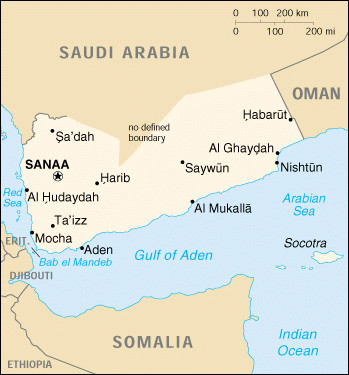
Brief introduction of mocha coffee in Yemen brief history of YemeniCoffee coffee varieties of Yemeni coffee
Professional barista communication Please pay attention to the coffee workshop (Wechat official account cafe_style) more than 1500 years ago, coffee trees were introduced to Yemen on the other side of the Red Sea, thus embarking on a journey of coffee beans around the world. Yemeni coffee is exported from the port of Mocha (now silted and abandoned) to all parts of the world (mainly sold to Europe through Turkey), so Yemeni coffee is named after the port of export.
Honduran coffee bean variety Honduran coffee bean sour? soft and mellow with low acid
Professional coffee knowledge exchange more coffee bean information please pay attention to Coffee Workshop (Wechat official account cafe_style) Front Street-Coffee from Honduras is located in the north of Central America, the Caribbean Sea to the north, the Gulf of Fonseca in the Pacific Ocean to the south, Nicaragua and El Salvador to the east and south, and Guatemala to the west, mostly mountains and plateaus. It has a tropical climate and a temperature.

The difference between mocha beans, mocha pot and mocha coffee, a brief introduction to Yemen mocha coffee
For professional baristas, please pay attention to the difference between mocha beans, mocha pots and mocha coffee in the coffee workshop (Wechat official account cafe_style). A brief introduction to mocha coffee in Yemen more than 1500 years ago, coffee trees were introduced to Yemen on the other side of the Red Sea, thus starting a journey of coffee beans around the world. Yemeni coffee is exported from the port of Mocha (now silted and abandoned) to all parts of the world.

An introduction to the taste of coffee from Manor Santa Barara, Honduras with a hint of fruit.
In the 4th and 7th century, western Honduras was one of the centers of Mayan civilization. Columbus arrived in the Gulf Islands of Honduras in 1502, which was the beginning of Honduras's contact with Europe. Spanish troops began to conquer Honduras in 1524 and became a Spanish colony in the same year. In 1537-1539, Limpilla led 30,000 Indians in an uprising against Spanish colonial rule. 1539, Honduras

The flavor characteristics of Central American Honduran coffee beans
Honduras is a mountainous country located in northern Central America. It is bordered by the Caribbean Sea to the north, the Gulf of Fonseca in the Pacific Ocean to the south, Nicaragua and El Salvador to the southeast, and Guatemala to the west. More than three-quarters of the territory for mountains and plateaus, mountains extend from west to east, inland lava plateau, multi-mountain valley, coastal plains. Tropical climate, coastal plains are tropical rain forests

Per capita coffee consumption in the United Arab Emirates has tripled
According to the latest statistics released by the International Coffee Organization, tea and coffee consumption in Arab countries has more than tripled in the past decade. Consumption in the United Arab Emirates has increased by 85% in the past three years. The per capita annual consumption of tea and coffee in the United Arab Emirates is 3.5 kg, which is about double that of other Gulf countries, and tea consumption has increased by 47%. 2011 Global Coffee

Introduction to Puebla Coffee Region, Mexico Characteristics of Veracruz Coffee Region, Mexico
Pueblo is the capital of the Mexican state of Puebla, located east of Mexico City, between the Sierra Nevada and Sierra Madre in the east. Coffee beans from this area are always grown under macadamia nuts and pine trees, contributing to Puebla's coffee beans being filled with incredible aromas. BaJa coffee is P7cafe

Consumption of tea and coffee in Arab countries has more than tripled
According to the latest statistics released by the International Coffee Organization, tea and coffee consumption in Arab countries has more than tripled in the past decade. Consumption in the United Arab Emirates has increased by 85% in the past three years. The per capita annual consumption of tea and coffee in the United Arab Emirates is 3.5 kg, which is about double that of other Gulf countries, and tea consumption has increased by 47%. 2011 Global Coffee

Consumption of tea and coffee in Arab countries has more than tripled
According to the latest statistics released by the International Coffee Organization, tea and coffee consumption in Arab countries has more than tripled in the past decade. Consumption in the United Arab Emirates has increased by 85% in the past three years. The per capita annual consumption of tea and coffee in the United Arab Emirates is 3.5 kg, which is about double that of other Gulf countries, and tea consumption has increased by 47%. 2011 Global Coffee
Consumption of tea and coffee in Arab countries has more than tripled
The consumption of tea and coffee in Arab countries has increased more than threefold over the past decade, according to the latest statistics released by the International Coffee Organization. Consumption in the United Arab Emirates has increased by 85 per cent over the past three years. Annual per capita consumption of tea and coffee in the United Arab Emirates is 3.5 kg, coffee consumption is about twice that of other Gulf countries, and tea consumption has increased by 47%. Global Coffee 2011

Consumption of tea and coffee in Arab countries has more than tripled
According to the latest statistics released by the International Coffee Organization, tea and coffee consumption in Arab countries has more than tripled in the past decade. Consumption in the United Arab Emirates has increased by 85% in the past three years. The per capita annual consumption of tea and coffee in the United Arab Emirates is 3.5 kg, which is about double that of other Gulf countries, and tea consumption has increased by 47%. 2011 Global Coffee

Yemeni coffee producing area, Yemeni coffee variety
Follow the caf é (Wechat official account vdailycom) found that the beautiful cafe opened its own shop name: Yemen the Republic of Yemen per capita GDP:1500 US $(2013) location: located in Asia, south of the Arabian Peninsula (Arabian Peninsula), north bordered by Saudi Arabia (Saudi Arabia), northeast bordered by Oman (Oman), west
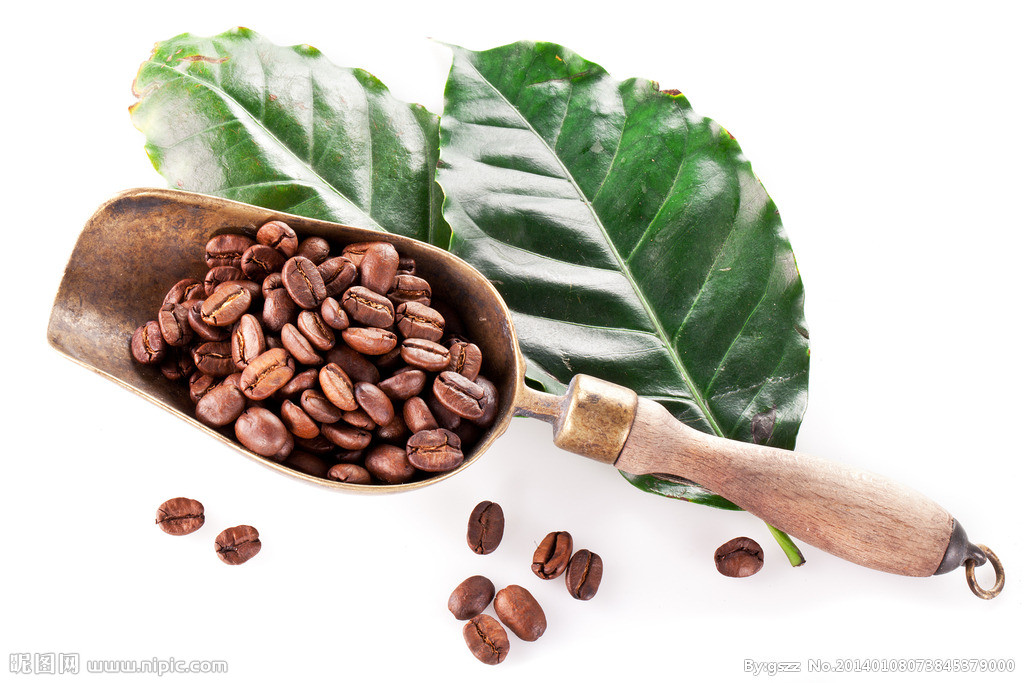
International Coffee Organization reports that tea and coffee consumption in Arab countries has more than tripled
According to the latest statistics released by the International Coffee Organization, tea and coffee consumption in Arab countries has more than tripled in the past decade. Consumption in the United Arab Emirates has increased by 85% in the past three years. The per capita annual consumption of tea and coffee in the United Arab Emirates is 3.5 kg, which is about double that of other Gulf countries, and tea consumption has increased by 47%. 2011 Global Coffee
Tea and coffee consumption in the United Arab Emirates has increased by 85% in the past three years.
According to the latest statistics released by the International Coffee Organization, tea and coffee consumption in Arab countries has more than tripled in the past decade. Consumption in the United Arab Emirates has increased by 85% in the past three years. The per capita annual consumption of tea and coffee in the United Arab Emirates is 3.5 kg, which is about double that of other Gulf countries, and tea consumption has increased by 47%. 2011 Global Coffee